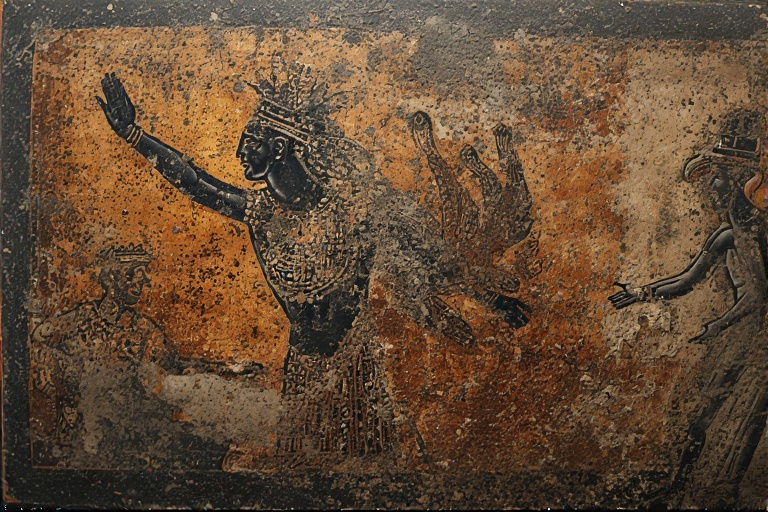
Exploring the World of Ancient Artz: A Journey Through Timeless Creativity
The Origins of Ancient Artz
Ancient Artz began tens of thousands of years ago when early humans painted on cave walls. These early creations, found in places like Chauvet Cave in France or Bhimbetka in India, showed animals, hunting scenes, and symbols. They weren’t just drawings; they held deep meaning, possibly linked to spiritual beliefs or survival. For example, a painting of a bison might have been a prayer for a successful hunt. As civilizations grew in Mesopotamia, Egypt, and the Indus Valley, Ancient Artz evolved into more complex forms like sculptures, carvings, and jewelry. These works honored gods, kings, or daily life, blending beauty with purpose. Mesopotamian ziggurats, for instance, featured reliefs that told stories of divine rituals, showing how art was a tool to communicate power and faith. This early creativity laid the foundation for the diverse styles of Ancient Artz we admire today.
The Cultural Significance of Ancient Artz
Ancient Artz was a mirror of society, reflecting beliefs, values, and traditions. In Egypt, hieroglyphics combined art and language, with each symbol telling a story about gods or pharaohs. These weren’t just decorations but tools to guide souls to the afterlife. Similarly, the Terracotta Army in ancient China, with thousands of unique life-sized soldiers, protected Emperor Qin Shi Huang in the afterlife, showcasing the skill and devotion of artists. In Mesoamerica, Mayan murals depicted astronomical knowledge and religious rituals, proving their advanced understanding. Ancient Artz also connected communities, as seen in the Indus Valley’s detailed seals used for trade or worship. These artworks weren’t only beautiful; they strengthened cultural identity and shared history. By studying Ancient Artz, we learn how ancient people lived, what they valued, and how they expressed their place in the universe.
Techniques and Materials in Ancient Artz
The creators of Ancient Artz used simple yet innovative techniques. Early cave painters mixed ochre and charcoal with water or fat to create vibrant colors. In Egypt, artists carved stone with copper tools and painted with mineral-based pigments that lasted millennia. Mesopotamians crafted clay tablets with cuneiform, while Greeks perfected pottery with black-figure and red-figure styles. The Indus Valley artisans used terracotta and bronze for intricate figurines, showing advanced metalwork. Romans excelled in mosaics, using tiny tiles to create detailed scenes. These techniques required patience and skill, often passed down through generations. Materials like stone, clay, and metal were chosen for durability, ensuring Ancient Artz survived for us to study. Modern technology, like 3D scanning, helps us analyze these techniques, revealing how ancient artists worked with limited tools to create lasting beauty.
Preservation of Ancient Artz
Preserving Ancient Artz is crucial to protect our cultural heritage. Time, weather, and human activity can damage these treasures, so experts like art historians and conservators work tirelessly to save them. Cleaning and restoring artifacts require gentle methods to avoid harm. For example, lasers remove dirt from sculptures without scratching them. Museums like the Louvre and the Metropolitan Museum of Art store Ancient Artz in controlled environments to prevent decay. Digital archives also play a big role, with high-resolution scans making art accessible online. In Singapore, archaeologists use statistical methods to study artifacts like ancient coins, preserving their stories digitally. These efforts ensure Ancient Artz remains for future generations, teaching us about the creativity and resilience of ancient civilizations. However, challenges like funding and ethical debates about artifact ownership persist.
The Influence of Ancient Artz on Modern Creativity
Ancient Artz continues to inspire today’s artists and designers. Modern painters like Kehinde Wiley blend ancient styles with contemporary themes, creating vibrant portraits that echo classical sculptures. Architects draw from Roman designs, seen in modern buildings with grand columns. Fashion designers use patterns from ancient textiles, like those of the Indus Valley, to create unique clothing. Ancient Artz also influences digital media, with video games and movies recreating historical settings. Social media platforms like Instagram (@ancient.artz) share images of artifacts, sparking interest among young people. By blending old techniques with new ideas, artists keep Ancient Artz alive, showing its timeless appeal. This connection reminds us that creativity knows no bounds, linking past and present in exciting ways. Exploring these influences helps students see how history shapes today’s world.
Ancient Artz in Different Civilizations
Egyptian Artz
Egyptian Ancient Artz is famous for its grandeur and spiritual depth. Pharaohs were depicted in statues and paintings as god-like figures, with perfect proportions to show their power. Tombs like Tutankhamun’s were filled with treasures, from golden masks to painted walls, meant to aid the afterlife journey. Hieroglyphics, a mix of art and writing, adorned temples, telling stories of gods and rulers. Colors like blue and gold symbolized divinity and eternity, making each piece meaningful. Egyptian artists followed strict rules to ensure consistency, yet their work was breathtakingly detailed. These creations show how Ancient Artz was both functional and beautiful, serving religious and political purposes.
Greek and Roman Artz
Greek Ancient Artz is known for its focus on human beauty and balance. Sculptures like the Venus de Milo captured idealized forms, while pottery showed myths and daily life. Romans built on Greek ideas, creating grand architecture like the Colosseum and detailed mosaics. Their sculptures of emperors were realistic, showing power and personality. Roman frescoes, like those in Pompeii, brought walls to life with vibrant scenes. Both cultures used Ancient Artz to celebrate human achievement and tell stories, influencing Western art for centuries. Their works remain in museums, inspiring students and artists alike.
Mesoamerican Artz
Mesoamerican Ancient Artz, from the Mayans and Aztecs, was rich with symbolism. Mayan murals and carvings showed gods, kings, and celestial events, reflecting their advanced astronomy. Aztec sculptures, like the Sun Stone, blended art with religion, depicting cosmic cycles. These works used bold colors and intricate patterns, often carved in stone or painted on walls. Ancient Artz in Mesoamerica was a way to honor the divine and record history, showing the complexity of these societies. Today, these artifacts are studied to understand their cultural and scientific achievements.
Asian Artz
Asian Ancient Artz spans diverse cultures, from China’s Terracotta Army to India’s cave paintings. Chinese artists crafted jade ornaments and bronze vessels, symbolizing wealth and spirituality. The Indus Valley produced detailed seals and figurines, used in trade and worship. Indian temples, like those at Ajanta, featured vivid frescoes depicting Buddhist stories. These works show how Ancient Artz in Asia was tied to religion, trade, and daily life, with each piece telling a unique story. Their influence is seen in modern Asian art and architecture.
The Role of Technology in Studying Ancient Artz
Technology has revolutionized how we study Ancient Artz. High-resolution photography and 3D scanning create digital models of artifacts, allowing detailed analysis without damage. For example, the Ithaca neural network restores damaged Greek inscriptions, helping historians decode texts with 62% accuracy alone and 72% with human collaboration. In China, the AncientGlyphNet framework detects characters on stone inscriptions, preserving cultural heritage. Digital archives make Ancient Artz accessible globally, letting students explore artifacts online. These tools also aid preservation by reducing physical handling. However, challenges like data standardization and ensuring digital records’ authenticity remain. Technology bridges the gap between past and present, making Ancient Artz a living part of our world.
Why Ancient Artz Matters Today
Ancient Artz is more than history; it’s a source of inspiration and connection. It teaches us about human resilience, creativity, and diversity. By studying these works, students learn how ancient people faced challenges, expressed beliefs, and built communities. Ancient Artz also fosters cultural appreciation, showing how different societies contributed to our world. Museums and digital platforms make these treasures accessible, encouraging young people to explore history. Moreover, Ancient Artz reminds us to preserve our heritage for future generations. Its influence on modern art, architecture, and media proves that creativity is timeless, connecting us to our ancestors and inspiring new ideas. Understanding Ancient Artz helps us value our shared human story.
FAQs About Ancient Artz
What is Ancient Artz?
Ancient Artz refers to artworks created by early civilizations, from prehistoric cave paintings to sculptures and pottery of ancient Egypt, Greece, Rome, and beyond. These pieces reflect the culture, beliefs, and daily lives of ancient people, often serving religious or practical purposes.
Why is Ancient Artz important?
Ancient Artz is important because it reveals how ancient societies lived, what they valued, and how they expressed themselves. It connects us to our past, inspires modern creativity, and teaches us about human resilience and diversity.
How is Ancient Artz preserved?
Preservation involves careful cleaning, restoration, and storage in controlled environments like museums. Digital tools, such as 3D scanning and online archives, also help protect and share Ancient Artz with the world.
How does Ancient Artz influence modern art?
Modern artists draw inspiration from Ancient Artz, using its techniques, patterns, and themes. From architecture to digital media, ancient styles are reimagined, blending old and new to create unique works.
Where can I see Ancient Artz?
You can see Ancient Artz in museums like the Louvre or the Metropolitan Museum of Art, at historical sites, or through online platforms like Google Arts and Culture, which offer digital access to artifacts.
Conclusion
Ancient Artz is a treasure trove of human history, capturing the creativity and spirit of civilizations long gone. From cave paintings to grand sculptures, these works tell stories of faith, power, and daily life. They inspire modern artists, connect us to our past, and remind us of our shared humanity. By preserving Ancient Artz through careful conservation and digital tools, we ensure its lessons endure. For students, exploring Ancient Artz is a chance to travel through time, sparking curiosity and appreciation for the world’s diverse cultures. Let’s continue to celebrate and protect these timeless masterpieces, keeping the legacy of Ancient Artz alive for future generations to cherish.
About the Author